- News
- entertainment
- hindi
- bollywood
- So close, yet so far: India’s long Oscars wait
Trending
So close, yet so far: India’s long Oscars wait

Neeraj Ghaywan's 'Homebound' has reached the Oscar shortlist for Best International Feature Film, sparking hope for India's fourth nomination. The film's international momentum highlights the importance of global acclaim in Oscar campaigns. India's pursuit of this coveted award has a long history, with only three previous nominations and no wins, often marked by controversial selection choices.
- Each country must submit one film through an officially approved selection committee. Individual filmmakers cannot submit their films independently.
- The film must have been publicly exhibited in its country of origin for paid admission for at least seven consecutive days in a commercial theatre.
- The qualifying release window for the 98th Academy Awards is between October 1, 2024, and September 30, 2025.
- The film does not need to be released in the US.
- More than 50% of the dialogue must be in a non-English language, and it must include legible English subtitles.
- The submitting country must confirm that the key contributors to the film (cast, crew, director, etc.) are citizens, residents, or individuals with refugee or asylum status in that country.

Homebound has made it to the Oscars shortlist for Best International Feature Film.

The Academy said on Dec. 17 that it would move the Academy Awards to YouTube under an exclusive five-year deal beginning with the 101st ceremony in 2029, an agreement that will end an exclusive run on ABC that started in 1976. (Philip Cheung/The New York Times)

Mother India was nominated in the Best Foreign Language Film category in 1958.
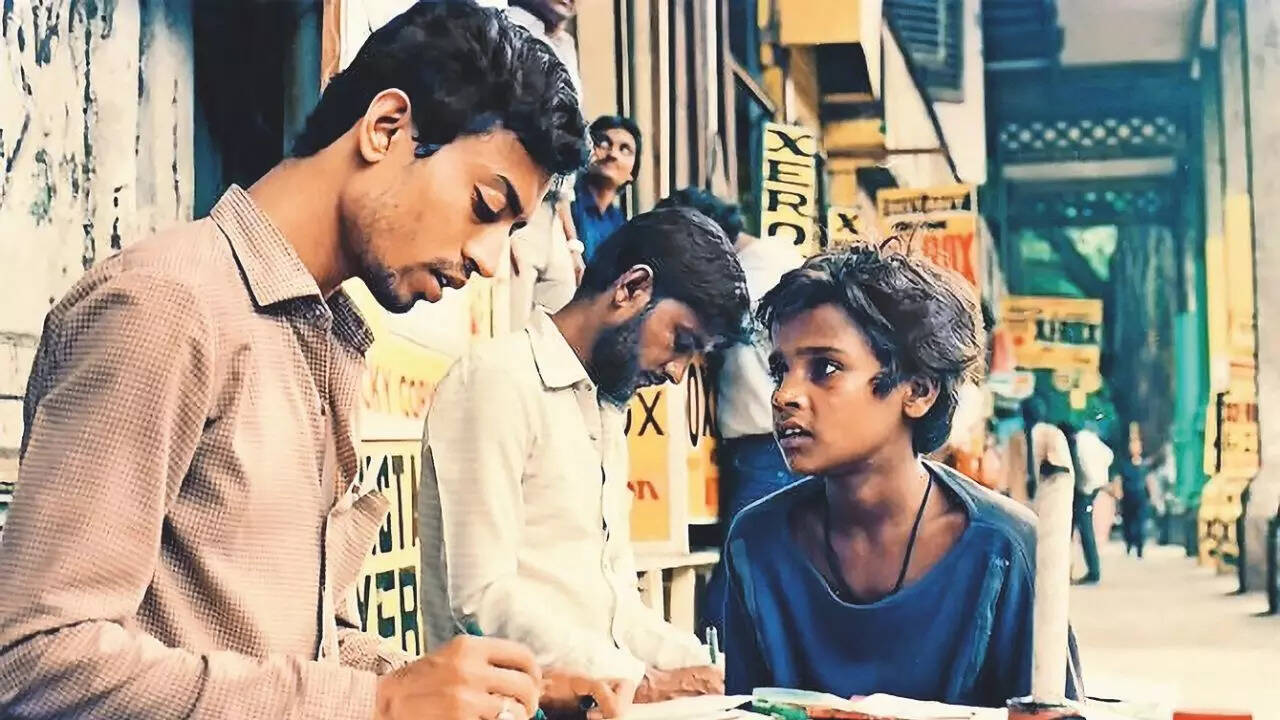
Salaam Bombay was nominated in the category in 1989.
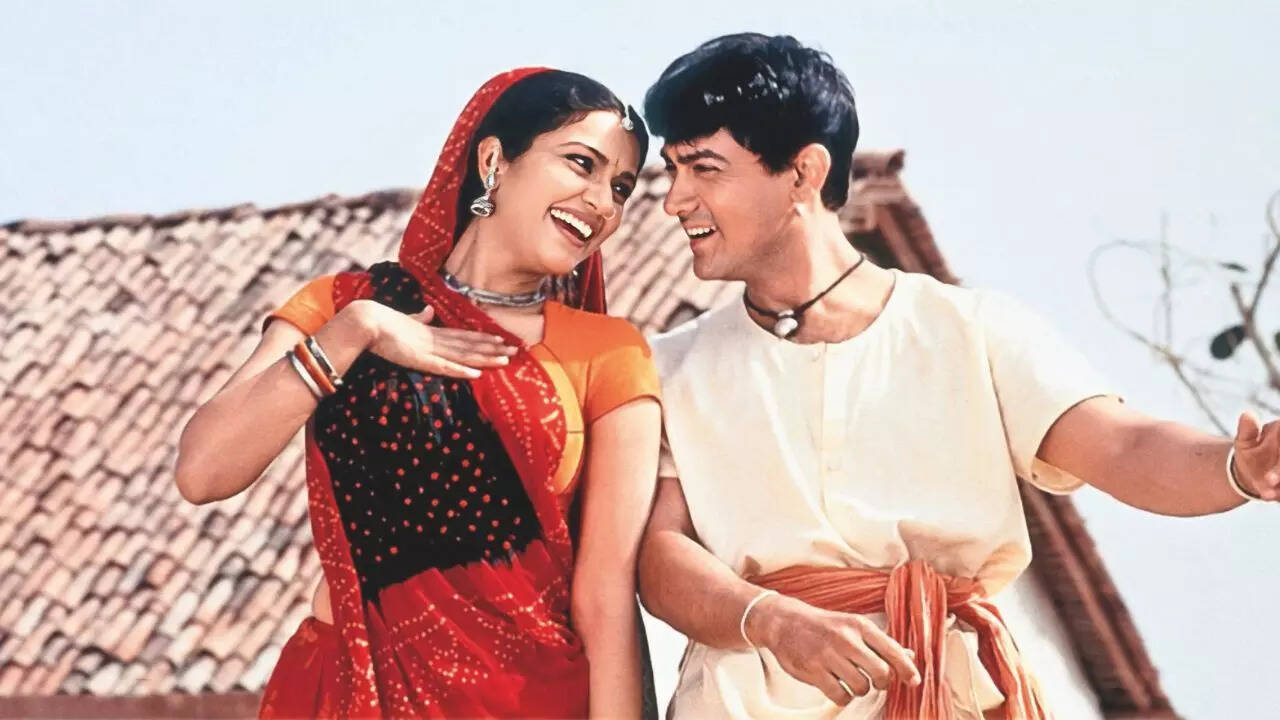
Lagaan got a Best Foreign Language Film nod in 2002.

(Clockwise) Costume designer Bhanu Athaiya, music composer MM Keerwani and lyricist Chandrabose, AR Rahman and filmmaker Guneet Monga have won Oscars in different categories .

In 2013, Ritesh Batra’s The Lunchbox, a Cannes favourite with a global distributor, was controversially snubbed for The Good Road.
Get the latest entertainment updates from the Times of India, along with the latest Hindi movies, upcoming Hindi movies in 2026 , and Telugu movies.”
End of Article
Follow Us On Social Media
Tired of too many ads?go ad free now
entertainment videos
Featured In Movies

Tired of too many ads?go ad free now



Hot on the Web
Hindi Movies 2026ZendayaShillong Road TripAmitabh BachchanKhushi MukherjeeAkshaye KhannaDhurandar OTT ReleaseMrunal ThakurDhurandharCountries With Most VegetariansBaby NamesSteamed Breakfast DishesParasakthi CollectionNavya Naveli NandaBigg Boss Marathi Contestants ListGolden Hour In DayMary KomSoumith ChintalaEckhart TollePriya SachdevAvatar: Fire And AshJana Nayagan Movie HearingThe Raja Saab Box Office CollectionKaran JoharHappy Patel CollectionDhurandhar Movie CollectionAR RahmanMana ShankaraVaraprasad Garu CollectionDhurandhar Movie ReviewSanjay DuttWilliam ShakespeareRiver That Flows BackwardsWorld Largest Beaver DamSnake Plant BenefitsQuote Of The Day By Thomas A EdisonLongest Venomous King CobraApple iPhone 17 ProHotel Room On MoonBirds That Can Regrow FeathersVeg LaphingWorld Most Powerful Passports
Trending Topics
Latest MoviesBollywood MoviesHollywood MoviesTamil Movies 2026Telugu Movies 2026Malayalam Movies 2026Kannada MoviesMarathi MoviesBengali Movies 2026Top Rated Movies 2026Best Hindi MoviesBest English MoviesBest Telugu MoviesBest Tamil MoviesBest Malayalam MoviesBest Kannada MoviesBest Bengali MoviesUpcoming Hindi MoviesBest Movies Of All TimeBest Hindi Movies of All TimeLatest English MoviesLatest Malayalam MoviesEnglish TV NewsTamil TV NewsTelugu TV NewsMalayalam TV NewsKannada TV NewsMovie ReviewsBhojpuri Cinema NewsGujarati Cinema News
Popular Categories
Viral NewsK Pop NewsWeb Series NewsAnime NewsUpcoming English MoviesUpcoming Tamil MoviesUpcoming Telugu MoviesUpcoming Malayalam MoviesUpcoming Kannada MoviesFashion TipsTravel NewsEntertainment NewsBollywood NewsTollywood NewsKollywood NewsMollywood NewsFood NewsLatest Hindi MoviesLatest Tamil MoviesParenting TipsHome RemediesWeight LossBeauty TipsParenting TipsHindi VideosHindi Video SongsBhojpuri Music VideosLatest Telugu MoviesBhojpuri Music VideoHindi TV News
Latest News
'Happy Patel': Mithila Palkar says she lost count of slapping Vir Das ; says, 'We stopped counting'Kokum vs Tamarind: Anti-inflammatory properties, culinary uses, and how to make kokum juice at homeI visited Hunder, only to realise how unplanned trips don’t need…Taylor Swift and Travis Kelce's wedding: Couple faces their first major test as career uncertainty puts plans on hold - Report'Eko' art director Sajeesh reveals a MISTAKE in the film; says 'It was first noticed by a YouTube channel'BMC poll results: Shiv Sena wants first 2.5 years for own mayor, 'BJP can have the next'Bigg Boss Tamil 9: Aurora breaks down in tears after emotional journey video leaves her overwhelmedRSSB Platoon Commander direct recruitment 2025: Preference-wise result, cut-off marks and PET shortlist releasedAlex Bregman’s adorable Chicago Cubs photo with his child on social media offers fans a heartfelt family momentReal Madrid overcome Bernabeu boos to record Arbeloa's first win in La LigaTHE IRAN-Y OF IT ALLDelhi smog crisis deepens: AQI at 439 in ‘severe’ category; cold wave, fog persist, visibility remains poorNFL hands down final discipline to Steelers offense as Aaron Rodgers weighs his future in Pittsburgh after playoff collapse‘Agatha Christie's Seven Dials’: Where was the series filmed?Horoscope Tomorrow, January 19, 2026: Something destined arrives early, these zodiac signs are ahead of timeMauni Amavasya 2026: Date, Timings, Rituals and Significance of Magha AmavasyaAfter Maharashtra civic poll setback, Raj Thackeray asks MNS corporators to turn municipal houses into battlegrounds against ‘rule of money power’Ben Affleck and Matt Damon bet big on Teyana Taylor as ‘The Rip ‘emerges as the most talked about crime thriller